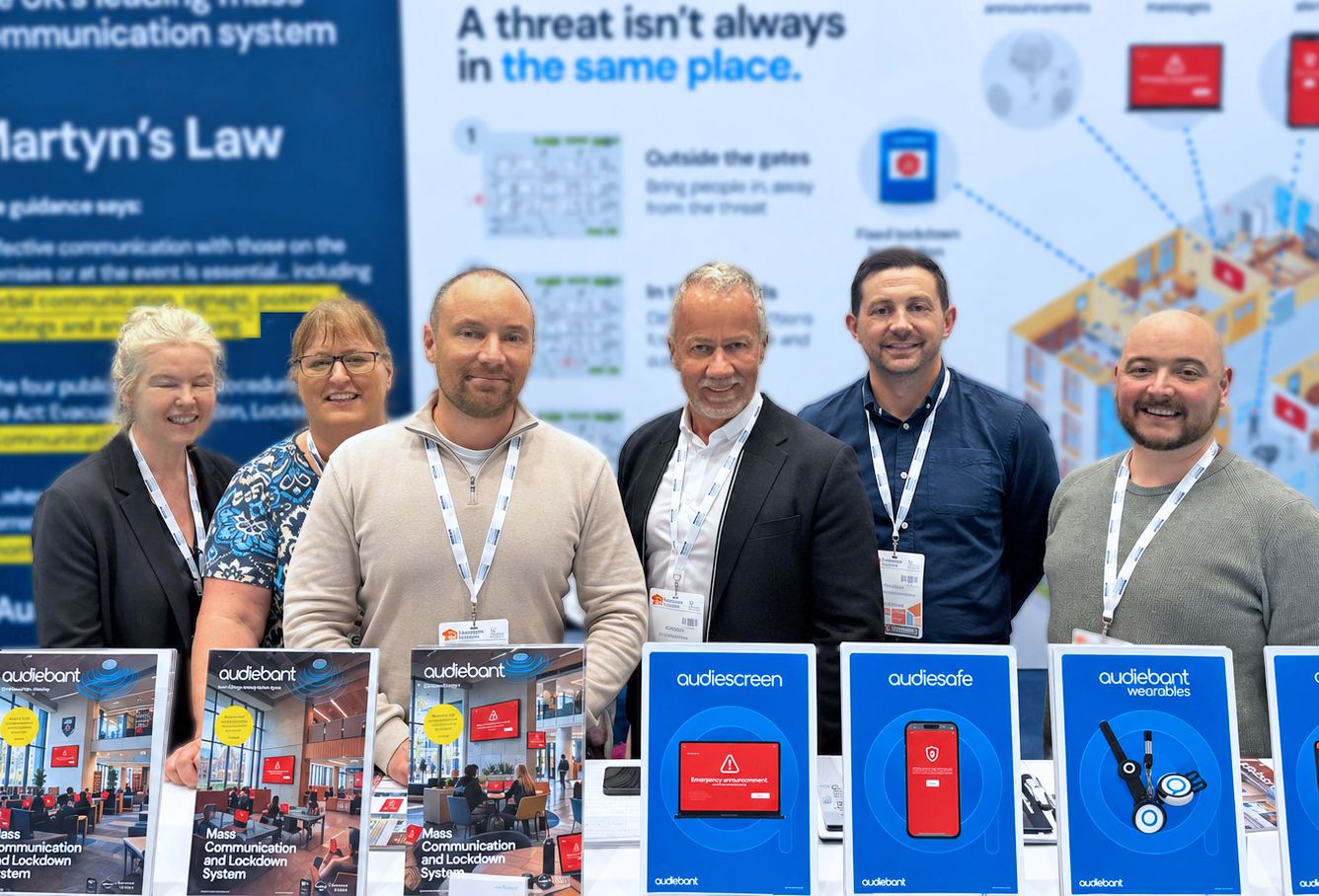
With Martyn’s Law expected to come into force in 2027, the Security Industry Authority (SIA) has released its first practical tools to help premises and events get ready. In its latest update, published on 9 November 2026, the regulator sets out how it is working with the sectors it will oversee, answers the questions it hears most often, and clears up some common misconceptions.
If you’re responsible for a school, college, venue or public event, here’s what the update means for you, and the practical steps you can take now.
What the SIA has announced
The update comes from Laura Gibb, the SIA’s Executive Director for Martyn’s Law. Its main message is that the regulator is building its approach alongside the organisations it will regulate, not in isolation.
- Pilot inspections are under way. Early pilots covered a range of premises, including a nightclub, a university and a heritage site. More than 30 further premises and events are lined up to test the inspection process.
- A new digital service is being tested. The SIA is about to trial it with users from every sector in scope, and is still looking for volunteers, particularly one-off events, hospitals and multi-use sites.
- UK-wide roadshows. Alongside the Home Office and Counter Terrorism Policing, the SIA has run sessions in Belfast, Edinburgh, Cardiff, Manchester, Nottingham and London, plus online events.
- Two new preparation tools. A planning tool for the standard tier and a compliance template for the enhanced tier, both developed with volunteer premises and events.
The SIA is inviting feedback on both tools through its online form until 23 December 2026.
Am I in scope, and what will I need to do?
Whether a premises is in scope comes down to two tests: what the building is wholly or mainly used for, and how many people (staff included) are expected there at the busiest times. ProtectUK has simple flowcharts to help you check.
Events are only in scope if all of the following apply:
- 800 or more people are expected at the busiest times, including staff
- entry is controlled, for example by tickets or wristbands
- the event is open to the public
- it isn’t held at a premises already in the enhanced tier
Standard tier premises will need suitable procedures for evacuation, lockdown and invacuation (moving people to safe areas inside the building) if a terrorist attack happens. They’ll also need a reliable way for staff to communicate with each other and with the public. The SIA’s planning tool walks you through each of these.
Enhanced tier premises and events go further. As well as those procedures, they must assess their vulnerabilities and consider measures such as monitoring, managing the movement of people, physical security and information security. The enhanced tier template helps you record this.
The SIA also answered two other common questions:
- Who is the responsible person? Usually an organisation rather than an individual: whoever controls the premises for the use that’s in scope. The Home Office’s statutory guidance explains the role in more detail.
- Is training mandatory? There’s no legal requirement for specific training. But everyone involved in your procedures must understand them and their own role. Free training is available from ProtectUK and the NPSA.
Proportionate, practical preparation
The SIA is keen to tackle a growing misconception: that Martyn’s Law will force events to be cancelled or demand expensive measures. It points to recent media coverage of a council cancelling its fireworks display, and stresses that the law is about consistent safety standards, not stopping events.
The law is built on what is reasonably practicable for each premises or event. It doesn’t automatically require you to hire security staff, buy new technology or bring in consultants. For many organisations, effective steps are simple and low-cost.
Here’s where to start:
- Check whether you’re in scope using the ProtectUK flowcharts.
- Read the Home Office statutory guidance to understand what applies to your tier.
- Work through the SIA’s planning tool or template. It’s designed to guide your thinking and record your decisions, not to act as a fixed checklist.
- Review your evacuation, invacuation and lockdown procedures. Ask whether they’d work quickly and reliably on your busiest day.
- Test how you’d alert people. Can you warn every room, building and outdoor space at once, without giving away information to an attacker?
- Make sure staff know their role, and use the free ProtectUK and NPSA training to build confidence.
As the SIA puts it, there is still time to plan and get this right before the law comes into force.
How Audiebant can help
Lockdown and communication sit at the heart of the standard tier requirements, and they’re where many schools, colleges and venues find gaps when they test their plans. A whistle, a radio or an announcement over the PA can be hard to hear, slow to reach everyone, or easy to misread.
Audiebant is a dedicated lockdown and alerting system that lets staff trigger a clear, consistent alert across a site in seconds, so everyone knows what’s happening and what to do. It’s one way to make your procedures quick, reliable and easy to rehearse.
Every site is different, and the right approach depends on yours. Now is a good time to start the conversation. We still offer free, no-obligation demos and site visits this year.
Book a free demo to see how Audiebant could support your Martyn’s Law preparations.
Sources
- Martyn’s Law: working together to prepare, Security Industry Authority, 9 November 2026
- Martyn’s Law and the SIA’s role as regulator, GOV.UK
- Terrorism (Protection of Premises) Act 2025: statutory guidance, Home Office
- Martyn’s Law resources, ProtectUK
Disclaimer
This article is for general information only and isn’t legal advice. No product, supplier or consultant can make you compliant with Martyn’s Law. Compliance is the responsibility of each premises or event’s responsible person, and depends on putting in place procedures and measures that are reasonably practicable for your circumstances. Audiebant can support your lockdown and communication procedures, but it doesn’t guarantee compliance on its own. For definitive guidance, refer to the Home Office statutory guidance and the SIA, or seek independent legal advice.