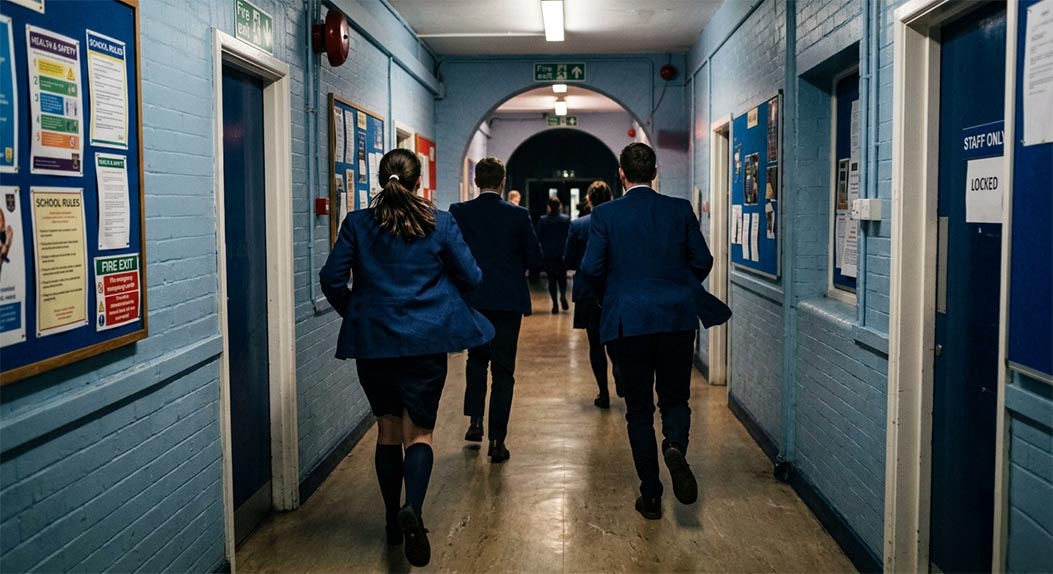
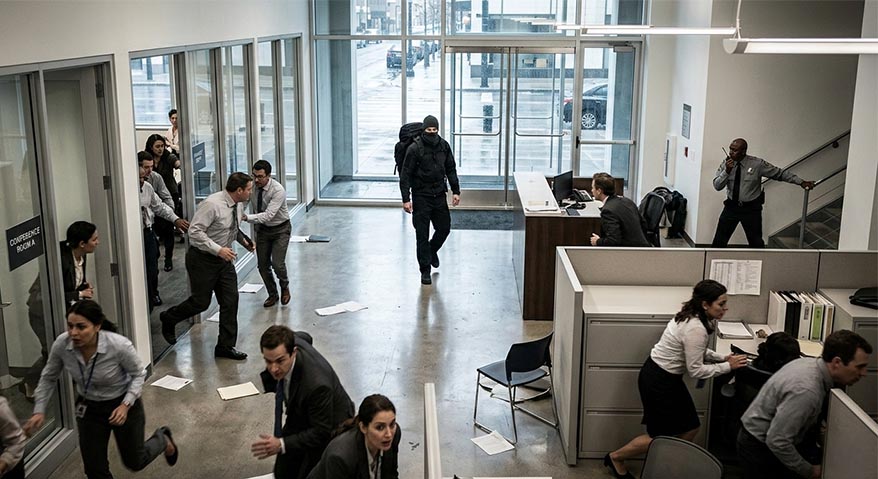
School lockdowns are no longer just a rare headline event, they’re becoming an important part of everyday safety planning. Recent reporting by SchoolsWeek reveals that over the past year, 117 separate lockdown incidents affected nearly 100,000 pupils across England.
While the reasons for lockdowns vary the trend shows that schools must be ready to respond quickly and efficiently to keep students safe.
Why schools go into lockdown
Lockdowns are triggered by a wide range of scenarios, many of which occur outside the school grounds. According to the SchoolsWeek analysis:
- 38% of lockdowns were caused by external events, such as nearby police activity or community incidents.
- 21% were the result of false or malicious communications, including hoax threats.
- 18% involved intruder concerns, where a potential threat was present on school premises.
These figures highlight that school safety planning isn’t just about managing incidents inside the classroom. It also involves anticipating risks that originate outside the school gates.
Building effective lockdown procedures
Implementing a clear, practiced lockdown procedure is essential. Surveys show that:
- Nearly half of primary schools and more than half of secondary schools now conduct lockdown drills.
- Despite progress, 26% of primary schools and 19% of secondary schools still lack formal procedures.
Regular drills help staff and students know exactly what to do in an emergency, while also reducing panic and confusion when a real incident occurs.
Communication is key
One of the biggest challenges during lockdowns is keeping parents informed without compromising safety. Clear communication can prevent misinformation from spreading and ensure that everyone understands the steps being taken to protect students.
School leaders must strike a careful balance: providing enough detail to reassure families, while avoiding specifics that could increase risk or create confusion.
Legislation and the future of school safety
New laws, such as Martyn’s Law, aim to make emergency preparedness more consistent. Schools with more than 200 pupils will be required to have formal procedures for lockdowns, invacuations, and evacuations.
While the legislation doesn’t mandate physical security upgrades, it establishes a standard framework that helps schools be proactive rather than reactive when emergencies occur.
What schools can take away
Emergency lockdowns may feel extreme, but the reality is that they’re an increasingly necessary part of modern school safety planning. Schools that prepare with clear procedures, regular drills, and effective communication will be better equipped to protect their students and staff.
The SchoolsWeek data makes one thing clear: lockdowns are not rare events, and thoughtful preparation is critical to keeping students safe in today’s unpredictable environment.